
Last updated: 07/2026
By Alex Akselrod, Certified Wellness Coach & Burnout Recovery Specialist
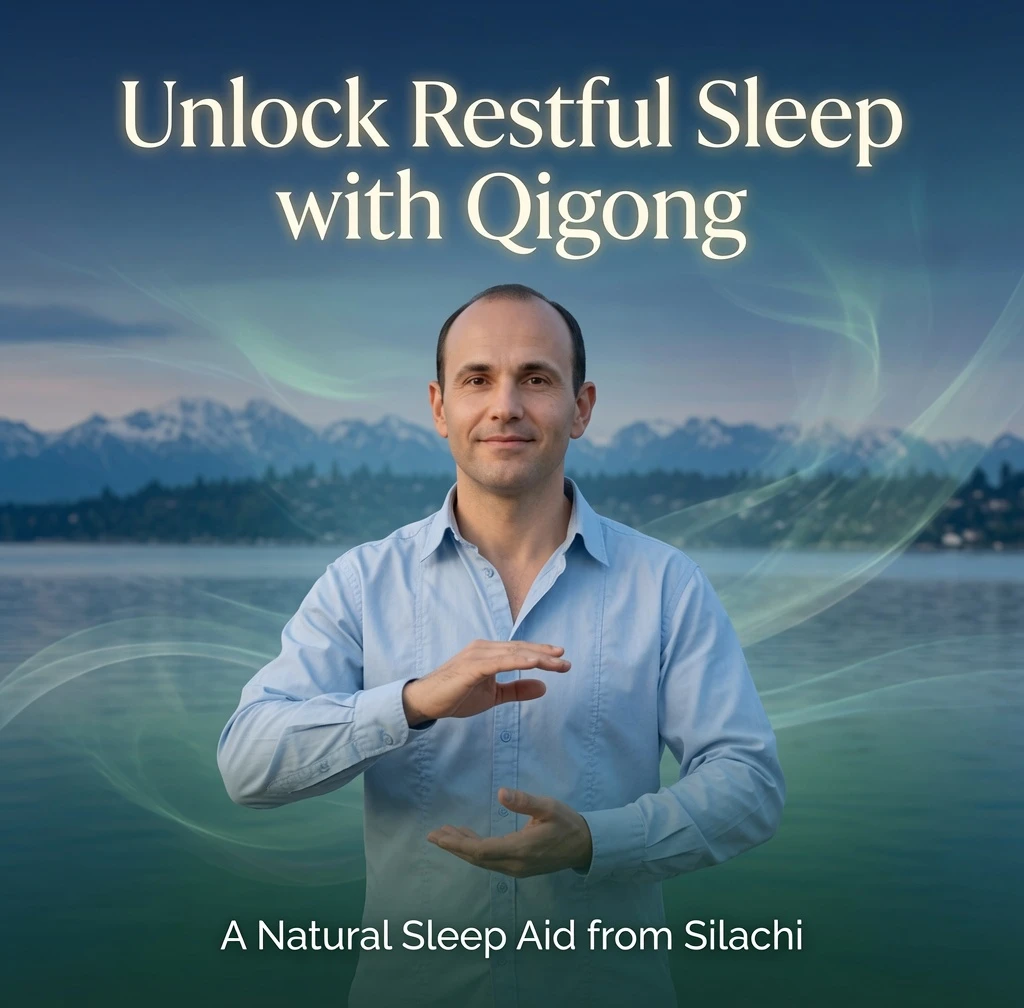
Unlock Restful Sleep with Qigong: A Natural Sleep Aid from Silachi
Struggling with sleepless nights, insomnia, or restless sleep? At Silachi in Bellevue, WA, founded by wellness coach and certified Qigong teacher Alex Akselrod, we help busy professionals—especially IT executives and high-achievers—reclaim deep, restorative sleep through natural, holistic practices. One of the most powerful tools we use is Qigong, an ancient Chinese mind-body technique that serves as an effective natural sleep aid.
If you’re tired of counting sheep or relying on medications with side effects, incorporating Qigong into your routine can help balance your energy, calm your nervous system, and promote the kind of relaxation that leads to truly restful nights. In this comprehensive guide, we’ll explore how Qigong works, the science behind it, practical exercises you can try tonight, and how the Silachi Method makes it even more transformative.
What Is Qigong?
Qigong (pronounced “chee-gong”) is a centuries-old practice that combines gentle movements, controlled breathing, meditation, and mindful awareness to cultivate and balance the body’s vital life energy, known as “Qi.” Unlike vigorous exercise, Qigong is low-impact, accessible to all ages and fitness levels, and focuses on harmony between body, breath, and mind.
The practice originated in ancient China as part of traditional Chinese medicine. It works by opening energy channels (meridians), removing blockages, and promoting smooth Qi flow. When Qi is balanced, the body naturally moves toward healing, reduced stress, and better sleep.
At Silachi, we blend traditional Qigong with gymnastics-inspired movements to create a powerful synergy tailored for modern professionals. This approach is a key pillar of our wellness programs.
Internal Link: Learn more about our Qigong and movement practices here: Minful Movement at Silachi
Why Qigong Is an Effective Natural Sleep Aid
Modern life—filled with screen time, work pressure, and constant stimulation—disrupts our natural sleep cycles. Qigong addresses this by:
- Calming the nervous system and shifting from “fight-or-flight” to “rest-and-digest” mode.
- Lowering cortisol (stress hormone) levels that keep many people awake at night.
- Improving blood circulation and releasing physical tension stored in the body.
- Quieting racing thoughts through breath awareness and gentle focus.
- Supporting melatonin production and regulating circadian rhythms.
Many clients at Silachi report falling asleep faster, staying asleep longer, and waking up refreshed after adding Qigong to their evenings. It’s a gentle, non-pharmacological solution suitable for those with chronic conditions, burnout, or age-related sleep changes.
The Science Supporting Qigong for Sleep
Research consistently backs Qigong’s benefits for sleep. A comprehensive review published in the American Journal of Health Promotion (Jahnke et al., 2010) found that Qigong and Tai Chi practitioners experienced significant reductions in sleep disturbances and improvements in sleep quality and duration.
Another systematic review in Evidence-Based Complementary and Alternative Medicine (Lee et al., 2013) highlighted Qigong’s positive effects on sleep among older adults and people with chronic health issues.
More recent studies reinforce these findings:
- Tai Chi Qigong improved sleep duration by up to 48 minutes and enhanced sleep efficiency in older adults with cognitive impairment after 6 months.
- Health Qigong exercises led to measurable improvements in both subjective and objective sleep quality.
- Practitioners showed reduced inflammatory markers linked to stress and poor sleep.
External Link: For more on these studies, see this review of Qigong health benefits: NCBI Review on Qigong and Sleep
Qigong also helps reduce anxiety and depression symptoms—common barriers to good sleep—while boosting overall mental clarity and emotional resilience. These effects make it particularly valuable for tech professionals dealing with high-stress environments.
Internal Link: Discover how the full Silachi Method integrates Qigong for burnout recovery and vitality: The Silachi Method
Practical Qigong Exercises for Better Sleep
Here are beginner-friendly routines you can practice at home. Start with 10–15 minutes in the evening, ideally 1–2 hours before bed. Wear comfortable clothes and practice in a quiet space.
1. Standing Relaxation Posture (5 minutes)
Stand with feet shoulder-width apart, knees softly bent, and arms relaxed at your sides. Breathe deeply into your belly. On each exhale, mentally release tension from your head, neck, shoulders, and down through your body. This simple posture helps ground your energy and prepares you for deeper relaxation.
2. Pulling Down the Heavens
Inhale and raise your arms overhead. Exhale while lowering your hands smoothly in front of your body, palms facing down, as if gently pulling calming energy from above. Repeat 8–12 times. Visualize stress and excess mental energy flowing out of your body.
3. Cloud Hands Flow
Shift your weight gently from side to side while making slow, circular arm movements (like pushing clouds). Coordinate breath with movement—inhale as arms rise, exhale as they lower. This promotes Qi circulation and releases upper body tension common in desk workers.
4. Evening Breathwork for Sleep
Sit or lie comfortably. Practice 4-7-8 breathing: Inhale for 4 counts, hold for 7, exhale for 8. Combine with gentle abdominal massage or wrist tapping to calm the nervous system. This technique is excellent for quieting a busy mind.
5. Closing Meditation
End your practice lying down or seated. Place one hand on your lower abdomen (dantian area) and focus on gentle breathing. Imagine warm, healing Qi nourishing your body as you drift toward sleep.
Consistency matters more than intensity. Even short daily sessions yield noticeable improvements within weeks.
External Link: Explore additional evidence-based natural approaches to sleep here: Harvard Health on Mind-Body Practices
Qigong Benefits for Different Groups
- Busy Professionals & IT Executives: Helps counteract screen fatigue, mental overload, and burnout-related insomnia.
- Older Adults: Improves sleep quality and reduces fall risk through better balance.
- People with Chronic Conditions: Supports immune function and reduces inflammation that disrupts sleep.
- Anxiety/Stress Sufferers: Promotes emotional regulation and mindfulness.
At Silachi, we customize these practices within our coaching programs for maximum results.
Internal Link: Ready to experience personalized guidance? Book a Consultation or Service at Silachi
Integrating Qigong into Your Daily Routine with Silachi
While self-practice is powerful, guided instruction accelerates progress and ensures proper form. Alex Akselrod’s classes and private sessions combine Qigong with intuitive energy work and emotional release for deeper transformation.
Clients often combine evening Qigong with breathwork and morning movement for balanced energy throughout the day. Many report not only better sleep but also increased daytime vitality, focus, and overall well-being.
Getting Started Today
- Choose a consistent time (evenings work best for sleep).
- Start small—10 minutes is enough.
- Track your sleep quality in a journal.
- Seek guidance if you have specific health concerns.
The journey to restful sleep begins with one mindful breath.
Conclusion: Embrace Qigong for Lasting Rest
Qigong offers a safe, natural, and deeply effective path to better sleep. By balancing your energy, calming your mind, and relaxing your body, it addresses the root causes of insomnia rather than masking symptoms.
At Silachi, we’re passionate about helping clients like you unlock their full potential through holistic wellness. Whether you join a group class, book private sessions, or explore our comprehensive programs, the transformative power of Qigong awaits.
Wake up refreshed, energized, and ready to thrive. Your restful nights start here.
Ready to transform your sleep? Contact Alex Akselrod at Silachi today and take the first step toward better rest and vibrant health.
About the Author
Alex Akselrod, Certified Wellness Coach and Burnout Recovery Specialist

Alex Akselrod is the founder of Silachi and a certified wellness and life coach based in Bellevue, WA, with 15 years of experience helping clients overcome burnout, chronic stress, and low energy using the integrative Silachi Method. A Qigong teacher, Advanced ThetaHealer®, and published author. Alex has worked with hundreds of high-performing tech professionals — including many at Microsoft — to help them rebuild sustainable, energized careers.